Last updated:

Balance Through Intentional Rhythm

Sustainable work habits emerge from consistent, small adjustments — not dramatic overhauls. Our rhythm-planning content supports that perspective with general educational resources only, without health or outcome claims.

Balance is a pattern, not a destination

Professionals in Stockholm and beyond navigate overlapping demands from work, family, and personal interests. We offer frameworks that help teams alternate focus periods with scheduled pauses — always as general workplace education, never as prescriptive guidance.

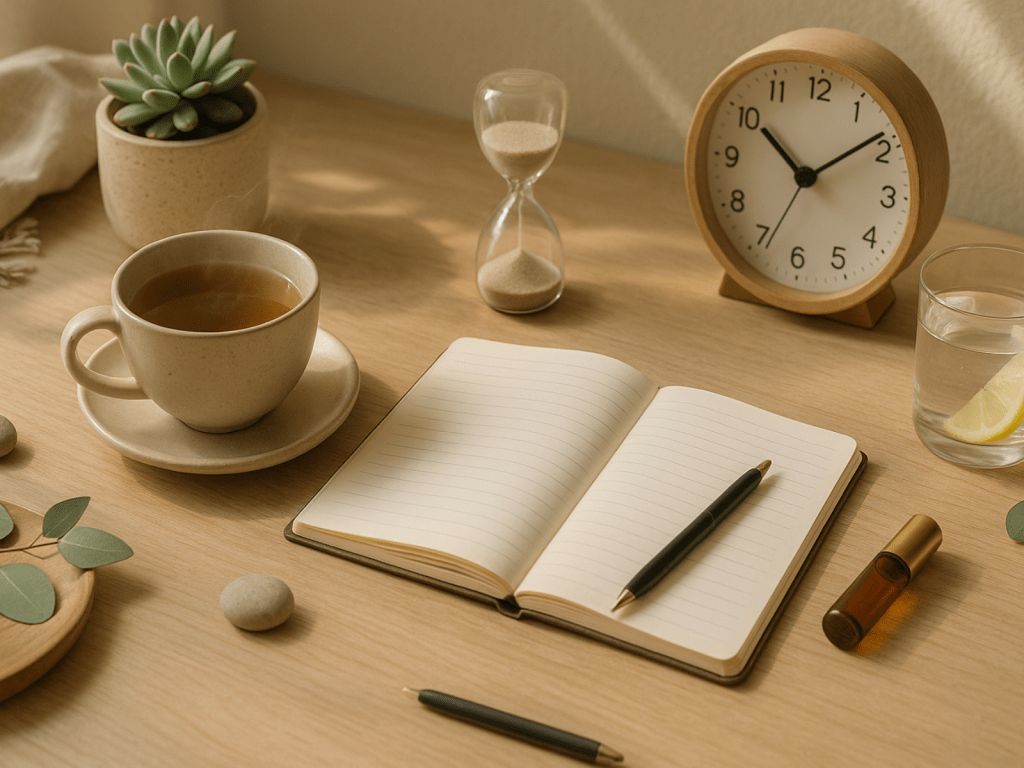
Visual representation of alternating work focus and scheduled pause rhythms throughout a day

The focus-restoration cycle

Alternating concentrated work blocks with brief movement pauses can help maintain engagement over longer days. We teach teams to identify natural transition points rather than imposing rigid schedules.

Morning Clarity

Begin with a two-minute posture check before opening email.

Midday Reset

Step away from screens with a guided standing sequence.

Afternoon Sustain

Brief breath-focused pause before final tasks of the day.

Evening Boundary

Closing ritual to signal transition from work to personal time.

Four areas we address in balance programs

Temporal Awareness

Recognizing when extended focus periods end and introducing scheduled pauses as part of a daily work structure.

Task Transitions

Structured pause routines between demanding tasks, presented as general workplace productivity education.

Physical Variety

Alternating sitting, standing, and walking postures throughout the day as part of general movement education.

Social Connection

Shared break moments that support team connection, particularly useful for remote team members.

Educational gatherings for balance awareness

Quarterly workshops explore how teams can collectively adopt pause-friendly cultures. Topics include communication norms, manager modeling, and measuring participation without surveillance.

Sessions remain informational. We do not assess individual health status or provide personal evaluations of any kind.

Illustration of a small group participating in an educational session about movement awareness

Building your team's rhythm map

During consulting engagements, we co-create a visual rhythm map showing recommended pause windows aligned with your operational calendar.

  1. Schedule audit

    Review of recurring meetings, deep-work blocks, and communication peaks across a typical week.

  2. Pause window identification

    Marking three to five daily opportunities where a brief break fits without conflict.

  3. Implementation roadmap

    Phased rollout plan with communication templates and progress check-in milestones.

Remote

Home Office Balance

Guidance for setting physical and temporal boundaries when the commute disappears. Includes desk ergonomics checklists as general reference material.

Hybrid

Split-Location Rhythm

Adapting pause routines for days spent in the office versus at home, maintaining consistency across environments.

On-site

Office Culture Shift

Strategies for leadership to model pause behavior and reduce stigma around stepping away from desks.

Formats for every work arrangement

Balance is less about equal hours and more about intentional transitions. When teams adopt shared pause routines, internal communication about work structure tends to become more deliberate — a pattern we have noted in our educational work with Stockholm organizations.

— Balance Program Lead, Boostshine

Disclaimer: Information on this page is for general educational purposes only. It does not address personal health conditions and is not a substitute for advice from a qualified professional. We make no claims about individual outcomes.

Questions about rhythm and balance

Active breaks are the practical sessions. Balance programming addresses the broader rhythm — when, how often, and how teams collectively adopt pause-friendly habits.
Yes. Self-paced educational tracks are available for independent professionals seeking structured pause routines.
No. We track program participation and optional session feedback only. We do not collect, store, or analyze personal health data of any kind.

Explore balance programs for your context

Whether you lead a small team or coordinate organization-wide initiatives, we can share relevant educational resources.

Start a Conversation